
Wait for safety clearance
Do not enter a fire-damaged area until the proper authority has said it is safe.
After a fire, the path forward begins with safety, a careful look at the affected areas and a practical restoration plan.
Start by telling us what happened and which areas of your home were affected. We’ll listen, ask a few questions and help you understand what may need attention so you can move forward with a clear plan.
Call (210) 306-7191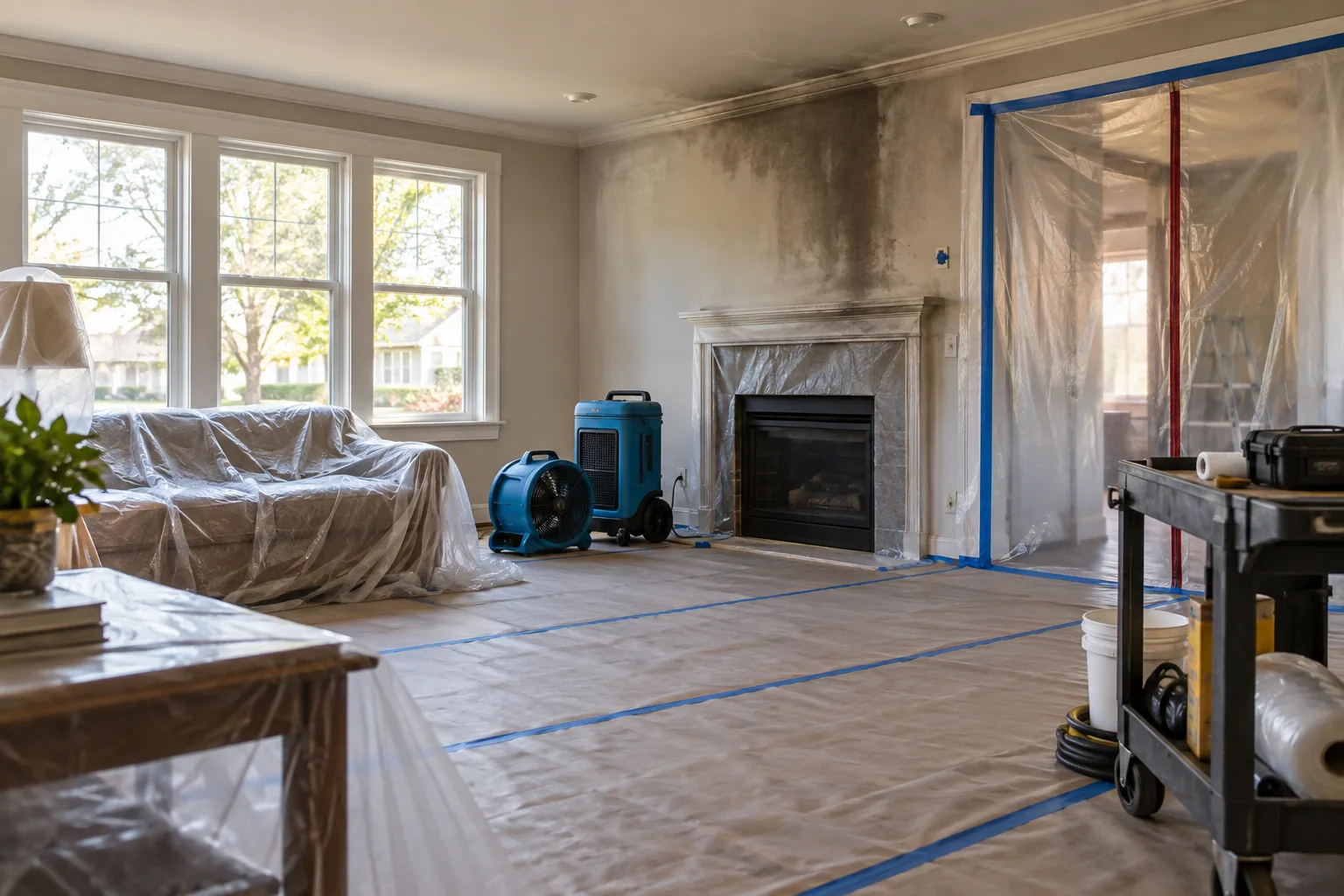
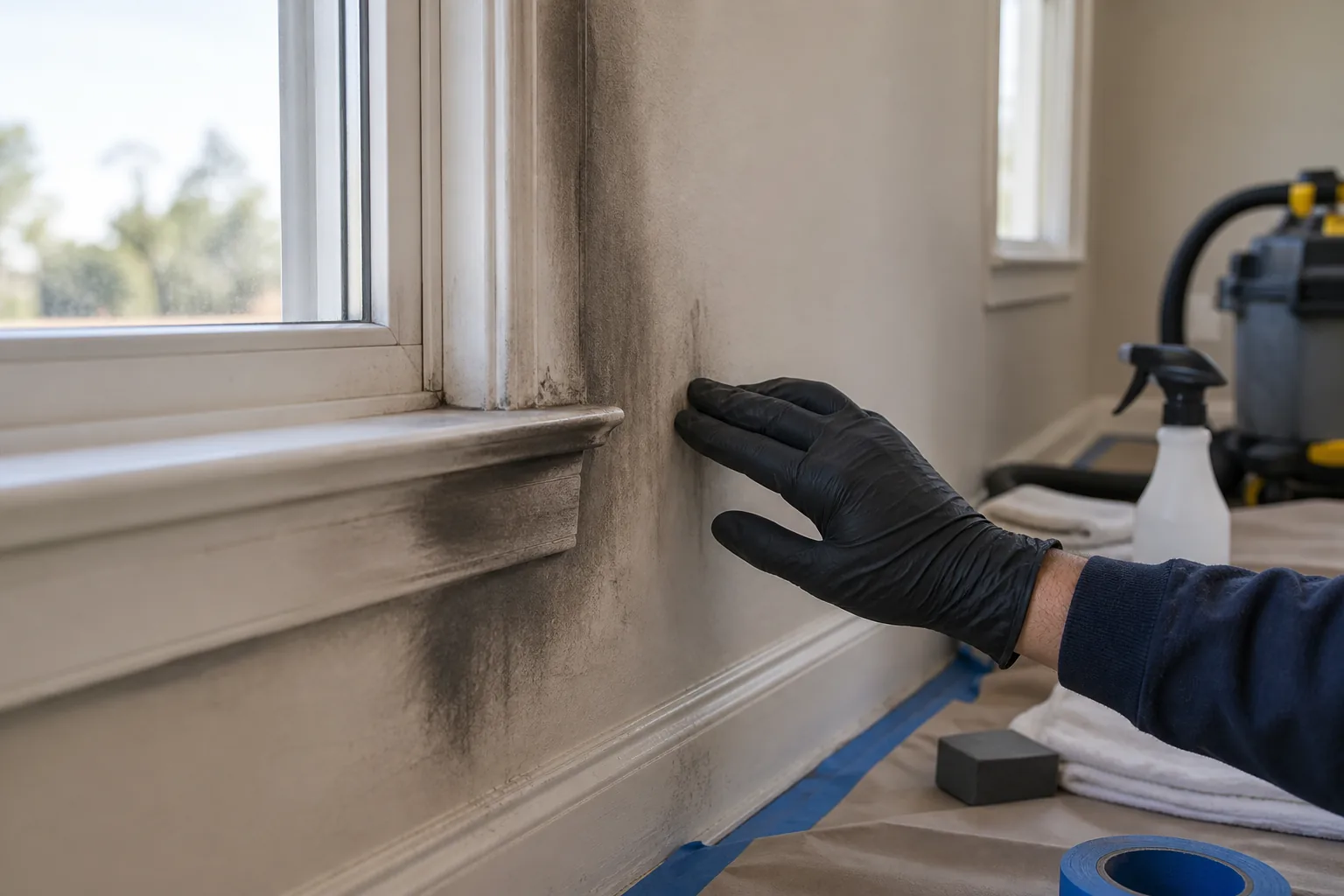
Once the home is safe to enter, the affected areas can be reviewed for damage from flames, heat, smoke and water. That information helps organize cleanup, material removal and repairs in the right order.
Do not enter a fire-damaged area until the proper authority has said it is safe.
Preserve available information and photographs without entering or disturbing unsafe areas.
Once access is safe, discuss affected materials, cleanup needs, repairs and rebuilding priorities.
The final scope depends on what is found. A project plan may address the following areas.
Begin only after the property has been cleared for entry and the affected areas can be evaluated safely.
Discuss damaged finishes, fixtures and building materials that may require removal or replacement.
Plan the construction work needed to restore the home's function, finishes and everyday comfort.
Keep the work, decisions and next steps understandable as the recovery plan moves forward.
Your address, the incident date, affected rooms, safely taken photographs, and any instructions from safety professionals or your insurer will help make the first conversation more useful.
If a claim is involved, keep the claim number and adjuster contact information available. Ask CKB how estimates, documentation and insurer communication will be handled for your specific project.
For an active fire, immediate danger, electrical hazard or medical emergency, contact emergency services and follow official safety instructions before discussing construction work.
Only enter after the appropriate fire or safety authority has cleared the property. Do not disturb an area that may still be unsafe.
Depending on the actual damage, planning may address affected materials, repairs, rebuilding, finishes and the sequence needed to make the home usable again.
Have the property address, incident date, safety-clearance information, affected areas and any safely taken photographs available.
Start with a clear, no-pressure conversation with CKB of Texas about your home, your priorities and what comes next.